


The lawsuit began after WIAA ruled Arrowhead senior Tristen Seidl ineligible for varsity football after his family moved because of a house fire. A judge later let him play in 2025, and the case was ruled moot on July 1, 2026; the latest public coverage I found says the WIAA had not announced sanctions on Arrowhead at that point.
What the lawsuit was about
Tristen Seidl transferred from Kettle Moraine High School to Arrowhead before his senior year. His family said their Dousman home burned in 2023, they lived in temporary places for a period of time, and they later made a rental home in the Arrowhead district their permanent residence. The WIAA still ruled him ineligible for varsity play, and the family went to court to challenge that decision.
The dispute centered on whether the move qualified for a hardship type waiver under WIAA rules. Seidl’s family argued the move was forced by events they did not control. WIAA said the transfer did not meet its eligibility standard.
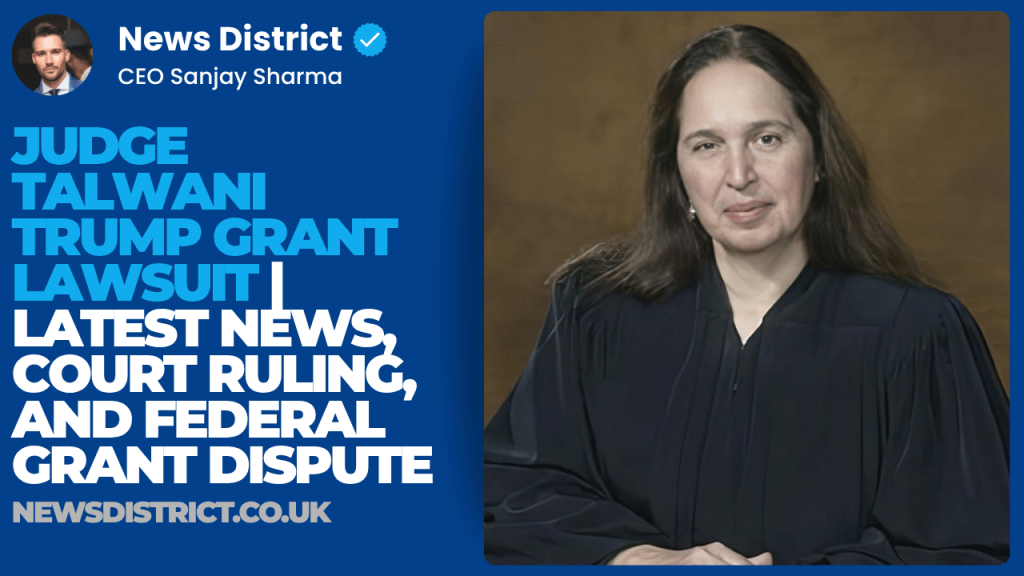
Judge Talwani Trump Grant Lawsuit | Latest News, Court Ruling, and Federal Grant Dispute
A federal judge ruled that the Trump administration cannot cancel federal grants simply because they no longer match the administration's policy priorities after the…

WIAA rule at the center of the case
WIAA transfer rules say a student who transfers into a member school is normally subject to transfer rules for one year unless the move is caused by a total change in residence by the parents. The same WIAA guidance says a school can request a waiver in advance when there are extenuating circumstances, and WIAA defines that as an unforeseeable, unavoidable, and uncorrectable event that causes a severe burden or involuntary change.
| Rule point | What it means |
|---|---|
| Transfer rule | A student who transfers is usually subject to a one year eligibility limit unless the move is tied to a total family residence change. |
| Waiver option | A member school can ask for a waiver before the season if there are extenuating circumstances and supporting documents. |
| WIAA review standard | WIAA looks closely at whether the problem was outside the family’s control or the result of a choice. |
Legal timeline
| Date | What happened |
|---|---|
| August 2025 | The Seidl family filed suit and asked the court for an injunction so Tristen could play varsity football while the case moved forward. The judge delayed a decision. |
| September 5, 2025 | A Waukesha County judge issued a temporary injunction that allowed Seidl to play during the fall 2025 season while the case continued. |
| 2025 season | Arrowhead went on to win the 2025 state football championship on the field. |
| June 2, 2026 | The family asked the court to make the injunction permanent because dismissing the case could expose Seidl and Arrowhead to WIAA sanctions, including possible loss of the title. |
| July 1, 2026 | Judge Paul Bugenhagen Jr. ruled the case moot because the question of whether Seidl could play in fall 2025 was no longer live. |

What the judge said
The court said the original dispute was no longer active because the only live question had been whether Seidl could play varsity football in the fall of 2025. The judge also said the family’s concern about possible future sanctions did not keep the case open, because that issue depended on later WIAA decisions.
Latest news
The latest public reporting I found says the case was dismissed as moot, but the WIAA had not publicly announced sanctions against Arrowhead at that time. Reports also said the family had feared that a dismissal could open the door to WIAA punishment, including possible action against the school’s 2025 title.
Microsoft Lost a Lawsuit to a Gamer Over Account Access After Major Legal Battle
A Brazilian court ruled against Microsoft after a gamer lost access to his Microsoft account and digital Xbox games following an account security issue.


Why this case matters
This case shows how WIAA transfer and waiver rules work when a student changes schools after a serious family event. It also shows that even when a court case ends, a school can still face questions about eligibility, records, and possible league discipline.
