

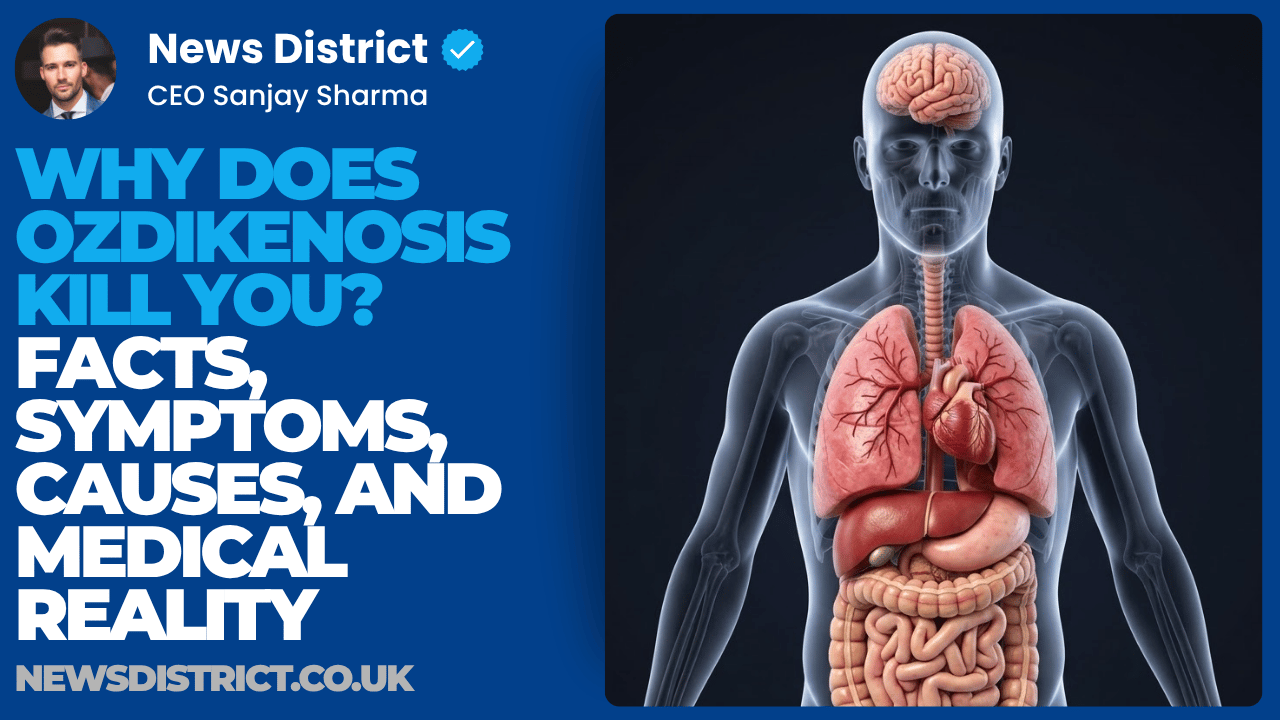
Ozdikenosis does not have a verified medical cause of death because it is not a recognized diagnosis in mainstream medical references. There are no proven symptoms, causes, or treatment guidelines tied to it.
What actually kills people in real medicine is a serious disease such as sepsis, organ failure, or another emergency condition, not a made up or unverified term.
What Ozdikenosis Means in Medical Terms
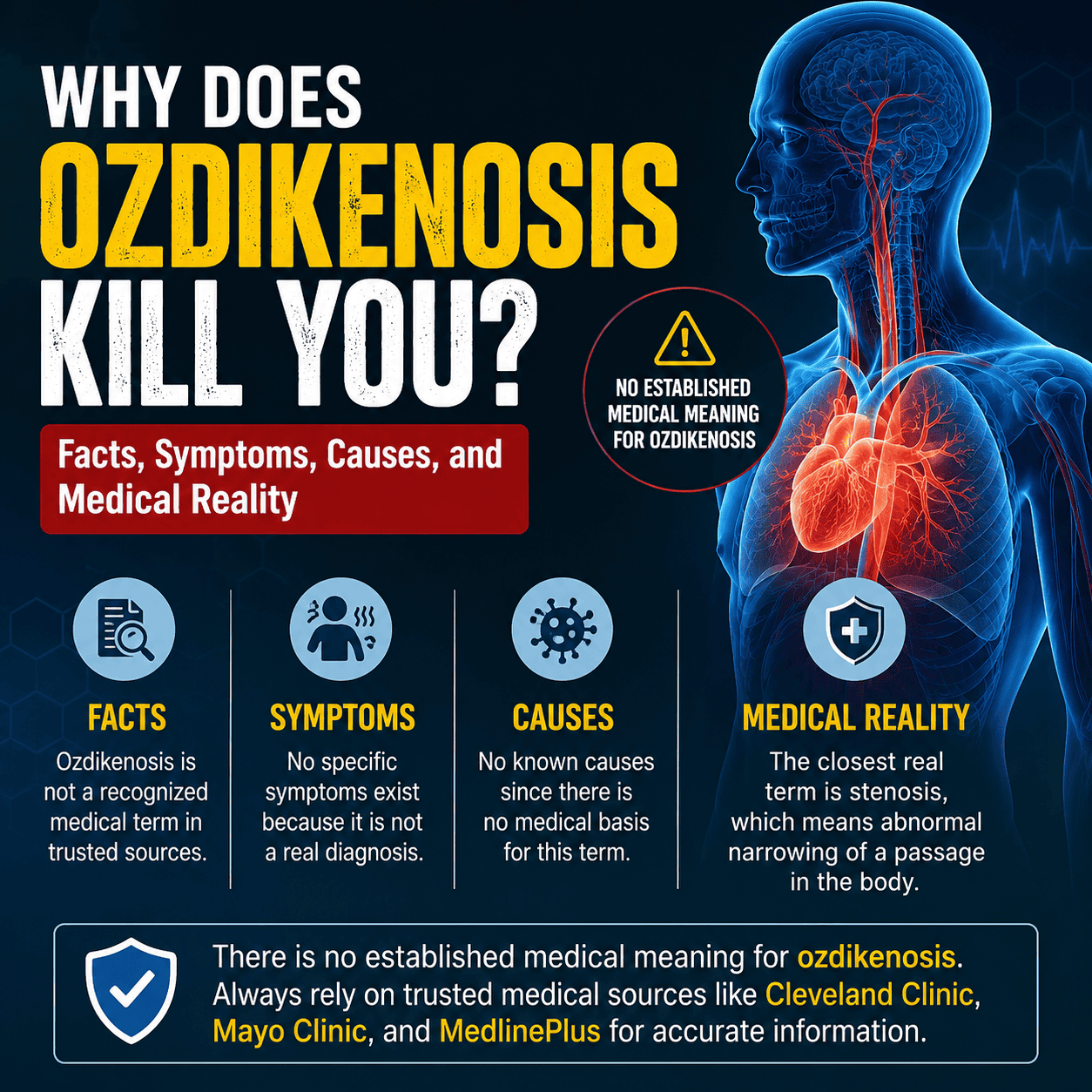
There is no established medical meaning for ozdikenosis in the trusted sources checked here. The closest real medical words are terms like stenosis, which means abnormal narrowing of a passageway or structure in the body. Real medical terms are defined in sources such as Cleveland Clinic, Mayo Clinic, and MedlinePlus, while ozdikenosis does not appear there as a standard diagnosis.
Why It Does Not Have a Verified Cause of Death
A disease can only be said to kill people when it is a real, medically defined condition with a known disease process. For example, sepsis is a real life threatening condition that starts with an infection and can lower blood pressure, reduce oxygen delivery, and damage organs. Severe sepsis and septic shock can lead to organ failure and death.
That is the medical reality. Death happens because a real illness disrupts the body so badly that vital organs can no longer work. In other words, there is a biological mechanism, a diagnosis, and a clear clinical pattern. Ozdikenosis does not have that verified medical base.
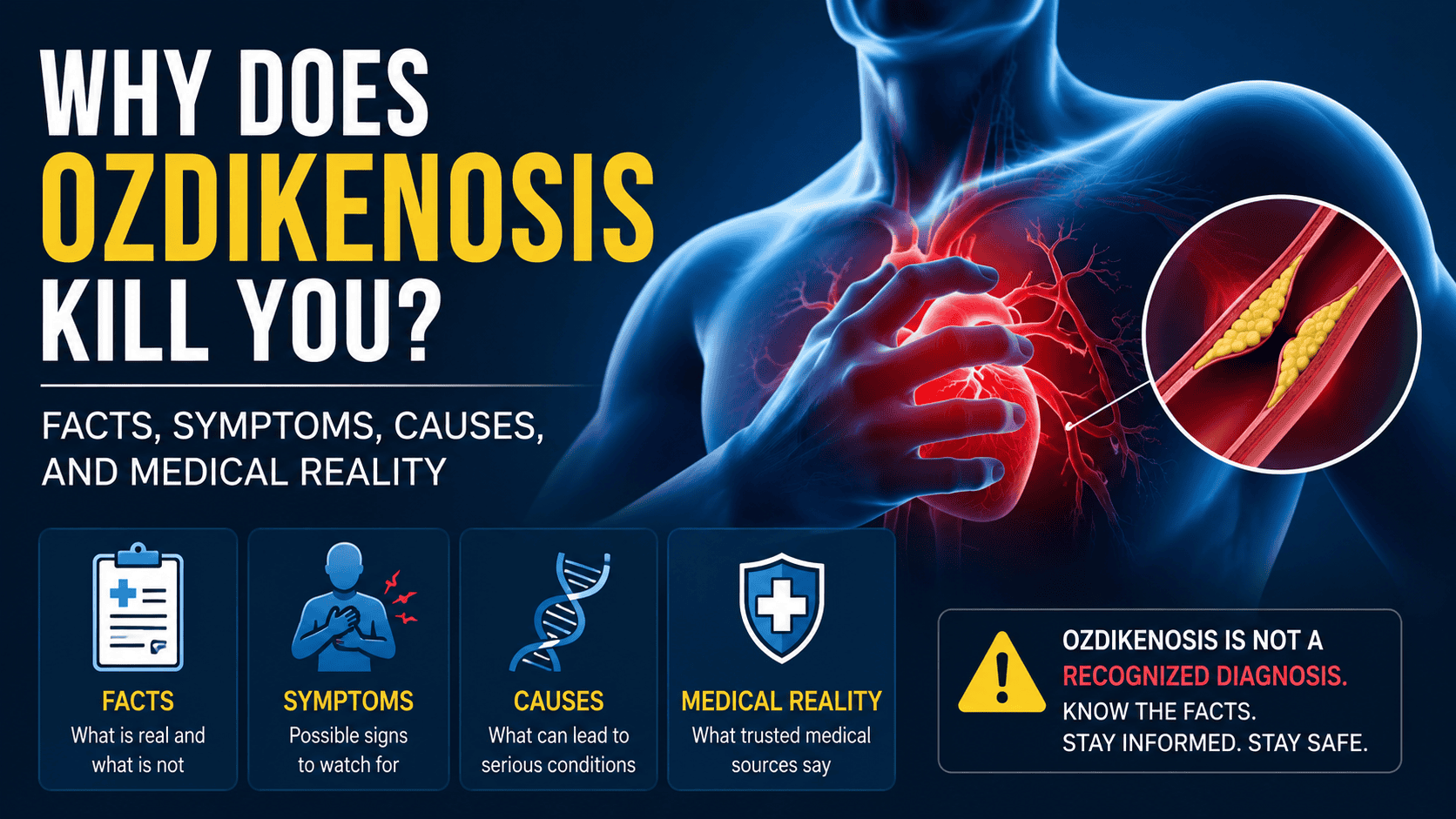
Symptoms People Search For
Because ozdikenosis is not a confirmed diagnosis, there are no official symptoms that doctors use to identify it. If a page online lists symptoms such as fatigue, weakness, pain, brain fog, or collapse, those are not validated diagnostic signs for a recognized disease. They are general symptoms that can happen in many real conditions.
General symptoms are not enough to name a disease. For example, sepsis may cause confusion, fast breathing, sweating, lightheadedness, and shivering, but those symptoms only matter because sepsis is a real diagnosis that has been studied and defined.
Causes and Risk Factors
There is no proven cause of ozdikenosis because there is no verified medical condition by that name. So there is no confirmed infection, gene defect, toxin, or body process that causes it.
In real medicine, causes are specific and testable. Sepsis is caused by an infection. Kidney failure happens when the kidneys are damaged and cannot filter waste properly. Spinal stenosis happens when the space inside the spine becomes too small and presses on nerves or the spinal cord. These are real medical explanations supported by trusted health sources.
Medical Reality Compared With Online Claims
| Topic | Medical reality |
|---|---|
| Diagnosis | No verified diagnosis called ozdikenosis |
| Symptoms | No official symptom list exists |
| Cause | No proven biological cause exists |
| Treatment | No evidence based treatment exists |
| Death risk | No verified death mechanism exists |
Real fatal illnesses work differently. Sepsis can trigger a chain reaction that damages organs. Septic shock can cause dangerously low blood pressure. Kidney failure can let harmful waste build up in the body. These are the kinds of processes that actually make an illness dangerous.
Why the Term Sounds Medical
Some fake or unverified health terms sound real because they are built from medical style word parts. That can make them feel believable even when they are not supported by evidence. Real medical word building does not make a term true. A valid diagnosis still needs clinical recognition, medical review, and scientific proof.
When To Get Medical Help
If someone has symptoms such as chest pain, severe shortness of breath, confusion, fainting, high fever, severe weakness, or signs of infection, those symptoms should be taken seriously right away. Those can point to real medical emergencies such as sepsis, organ failure, or another serious condition.
How To Check If A Disease Is Real
A real condition should appear in trusted medical sources, not only on blogs or social posts. Good places to check are MedlinePlus, Mayo Clinic, NIH, or other recognized hospital and government health sites. If a term appears only in low quality articles and not in trusted medical references, it should be treated with caution.
A useful rule is simple. If a disease claim cannot be matched to a real diagnosis, a real cause, a real symptom pattern, and a real treatment plan, it should not be treated as medical fact. That is the safest medical standard to follow.
