


The National Energy System Operator warning does not automatically mean the UK power grid is at risk of failure. In most cases, it is a routine operational notice used to keep electricity supply balanced and reliable.
What Is the National Energy System Operator?
The National Energy System Operator (NESO) is the organization responsible for operating Great Britain’s electricity system. It manages the flow of electricity across England, Scotland, and Wales.
NESO does not generate electricity. Instead, it makes sure that electricity supply always matches customer demand. This balance must be maintained every second of the day.
Its main responsibilities include:
- Balancing electricity supply and demand
- Managing the national transmission system
- Monitoring grid stability
- Working with electricity generators
- Planning for future energy needs
- Responding to unexpected events
What Does a National Energy System Operator Warning Mean?
A National Energy System Operator warning is a message sent to electricity market participants when the system may need extra support.
The warning is not usually sent to the general public. It is mainly for electricity producers, storage operators, and other companies connected to the power market.
Most warnings are precautionary. They allow the market to provide additional electricity before supply becomes too tight.
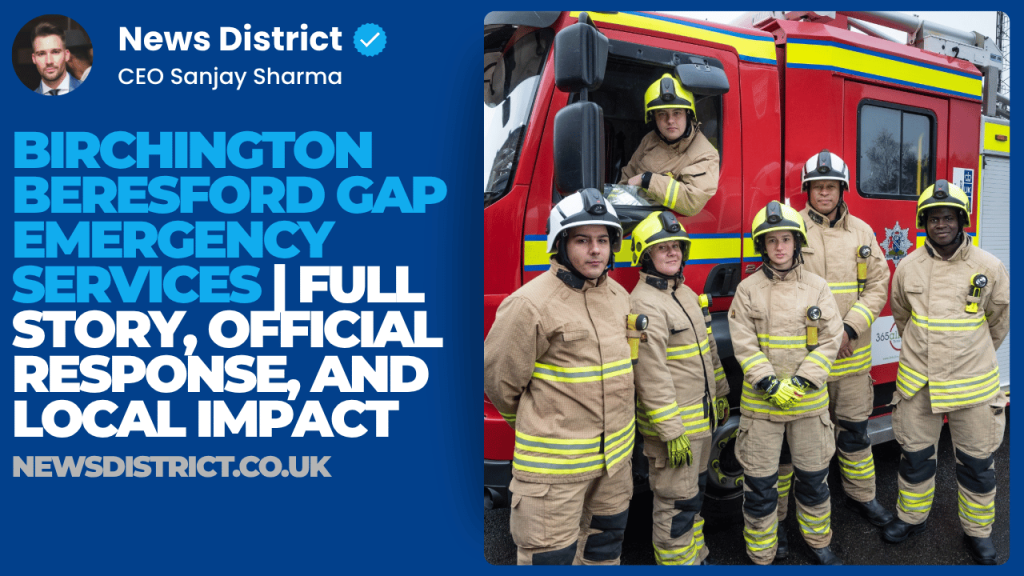
Birchington Beresford Gap Emergency Services | Full Story, Official Response, and Local Impact
A medical emergency at Beresford Gap in Birchington led to a large response from emergency services on 28 March 2025.
Does the Warning Mean the UK Power Grid Is at Risk?
In most situations, the answer is no.
NESO has repeatedly explained that an Electricity Margin Notice or similar warning does not mean blackouts are expected. It simply means that available spare capacity is smaller than the preferred operating margin.
If additional electricity becomes available, the notice is removed and the system continues operating normally.
Why Does NESO Issue Warnings?
Several factors can reduce the amount of spare electricity available.
Common reasons include:
| Cause | How It Affects the Grid |
|---|---|
| Very hot weather | Increases electricity demand for cooling and fans |
| Cold weather | Raises demand for heating |
| Low wind speeds | Reduces wind power generation |
| Generator maintenance | Lowers available electricity production |
| Unexpected equipment faults | Removes power stations from service |
| High electricity demand | Reduces available reserve capacity |
| Reduced imports | Limits electricity coming from neighboring countries |
Often, more than one of these conditions happens at the same time.
Recent Heatwave Warnings Explained
Recent heatwaves have caused NESO to issue Electricity Margin Notices during summer.
High temperatures increased electricity demand while lower wind generation and reduced power availability across Europe tightened supply margins.
NESO asked generators to provide additional electricity, but it also confirmed that electricity supplies remained secure throughout these events.
What Is an Electricity Margin Notice?
An Electricity Margin Notice (EMN) is one of NESO’s operational tools.
It tells electricity market participants that extra generation may be needed during a specific period.
An EMN does not mean there is not enough electricity. It means NESO wants a larger safety buffer to ensure reliable operation.
Key facts about an EMN
| Feature | Details |
|---|---|
| Purpose | Increase available electricity capacity |
| Target audience | Electricity market participants |
| Public blackout warning | No |
| Automatic power cuts | No |
| Routine operational tool | Yes |
How NESO Keeps the Grid Stable
NESO uses several methods to maintain electricity system stability.
These include:
- Forecasting electricity demand
- Monitoring weather conditions
- Requesting extra generation
- Using battery energy storage
- Increasing electricity imports
- Reducing exports when necessary
- Using demand flexibility services
- Coordinating with European system operators
These tools help prevent electricity shortages before they develop into larger problems.
What Happens If Electricity Supply Becomes Very Tight?
NESO follows a series of steps before any customer would experience disruption.
The process normally looks like this:
| Stage | Action |
|---|---|
| Forecasting | Identify possible shortage |
| Market action | Request additional generation |
| Margin notice | Alert electricity market |
| Extra balancing actions | Secure more electricity |
| Emergency procedures | Used only in rare situations |
Controlled demand reductions are considered only in exceptional emergencies after many earlier measures have been used.
Can the UK Experience Power Cuts?
Power cuts are possible in any electricity system if there are severe technical failures or major emergencies.
However, routine NESO warnings should not be interpreted as signs that nationwide blackouts are about to happen.
NESO states that these notices are part of normal electricity system management and are designed to prevent problems before they occur.
Why Weather Has a Big Impact on the Grid
Weather directly affects both electricity demand and electricity production.
During hot weather:
- People use more cooling devices.
- Some power stations become less efficient.
- Wind generation may decrease.
During cold weather:
- Heating demand increases.
- Electricity consumption rises during peak hours.
Because of these changes, weather forecasting is an important part of electricity system planning.
Is Renewable Energy Causing These Warnings?
Renewable energy is only one part of the overall electricity system.
Low wind conditions can reduce renewable electricity production, but NESO balances the system using many different energy sources, storage technologies, imports, and market tools.
Grid management depends on overall supply and demand rather than a single source of electricity.

How the UK Is Improving Grid Reliability
The UK continues investing in electricity infrastructure to improve long term reliability.
Important improvements include:
| Improvement | Purpose |
|---|---|
| New transmission lines | Move electricity more efficiently |
| Battery storage | Store excess electricity for later use |
| Faster grid connections | Add new energy projects sooner |
| Smart grid technology | Improve system monitoring |
| Demand flexibility programs | Reduce pressure during peak periods |
These developments help the electricity system adapt to changing demand and increasing renewable energy.
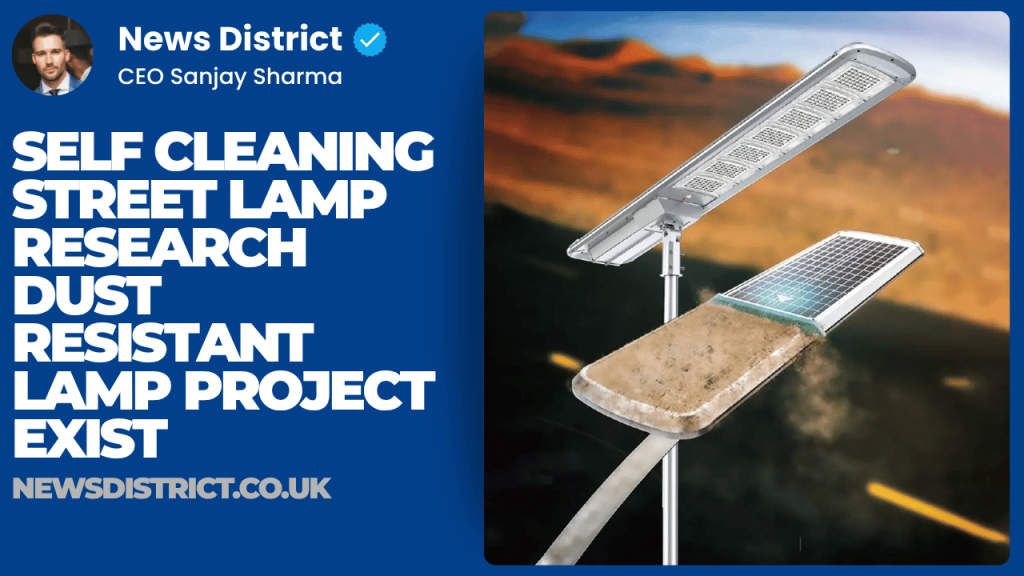
Self Cleaning Street Lamp Research Dust Resistant Lamp Project Exist
Yes, self cleaning street lamp research dust resistant lamp projects exist. Researchers, universities, and manufacturers have developed working prototypes and commercial systems that reduce…
Should the Public Be Concerned About NESO Warnings?
Most people do not need to take any action when NESO issues a warning.
These notices are mainly operational messages used within the electricity industry.
Homes and businesses usually continue receiving electricity without interruption while NESO balances the system using available market tools.
Frequently Asked Questions
What is the National Energy System Operator?
The National Energy System Operator manages Great Britain’s electricity transmission system and balances electricity supply with demand.
What is an Electricity Margin Notice?
It is an operational notice asking the electricity market to make more generation capacity available. It does not mean power cuts are expected.
Does a NESO warning mean a blackout is coming?
No. NESO has stated that these warnings are routine tools used to maintain reliable electricity supplies.
Why are warnings more common during extreme weather?
Very hot and very cold weather can increase electricity demand while also affecting electricity generation, making the system harder to balance.
Can NESO prevent electricity shortages?
NESO uses forecasting, market notices, additional generation, storage, imports, and demand management to reduce the risk of electricity shortages and maintain grid stability.
