


The Flying Elephant Memoirs of an Olympic Champion is a sports memoir by Olympic volleyball champion Alexander Savin that shares his experiences of elite competition, disciplined training, teamwork, and life beyond the Olympic Games. It also provides valuable insight into Soviet era volleyball and the mindset needed to compete at the highest level.
Overview of The Flying Elephant Memoirs of an Olympic Champion
The book presents the personal journey of Alexander Savin, one of the most respected volleyball players from the former Soviet Union. Instead of focusing only on medals and victories, it explains the preparation, sacrifices, and daily work required to become an Olympic champion.
The memoir combines personal memories with historical sports events, making it useful for readers interested in Olympic history, volleyball, coaching, and athlete development.
| Book Detail | Information |
|---|---|
| Title | The Flying Elephant: Memoirs of an Olympic Champion |
| Author | Alexander Savin |
| Genre | Sports Memoir |
| Main Sport | Volleyball |
| Primary Focus | Olympic journey, training, leadership, teamwork |
| Format | Kindle Edition and digital publication |
| Language | English translation available |
Who Is Alexander Savin?
Alexander Savin is known for his successful volleyball career with the Soviet national team. He competed during one of the strongest periods in international volleyball and became an Olympic champion at the 1980 Summer Olympics. After retiring from professional competition, he remained involved in volleyball through coaching and mentoring athletes.
His experience gives the memoir strong credibility because it is written by someone who competed at the highest international level.

What the Book Covers
The memoir explores several important parts of an elite athlete’s career.
Early Development
The book explains how young athletes were identified and trained through structured sports programs. It describes the importance of learning basic skills, maintaining discipline, and following daily practice routines.
Olympic Preparation
Preparation for international tournaments required years of physical conditioning, technical practice, and mental focus. The memoir explains how consistent training helped athletes perform under pressure.
International Competition
The book discusses participation in major volleyball tournaments, including Olympic competition. Readers gain a better understanding of teamwork, strategy, and the demands of representing a country on the world stage.
Life After Competition
The memoir also explains how knowledge gained through years of competition can be passed to younger athletes through coaching and leadership.
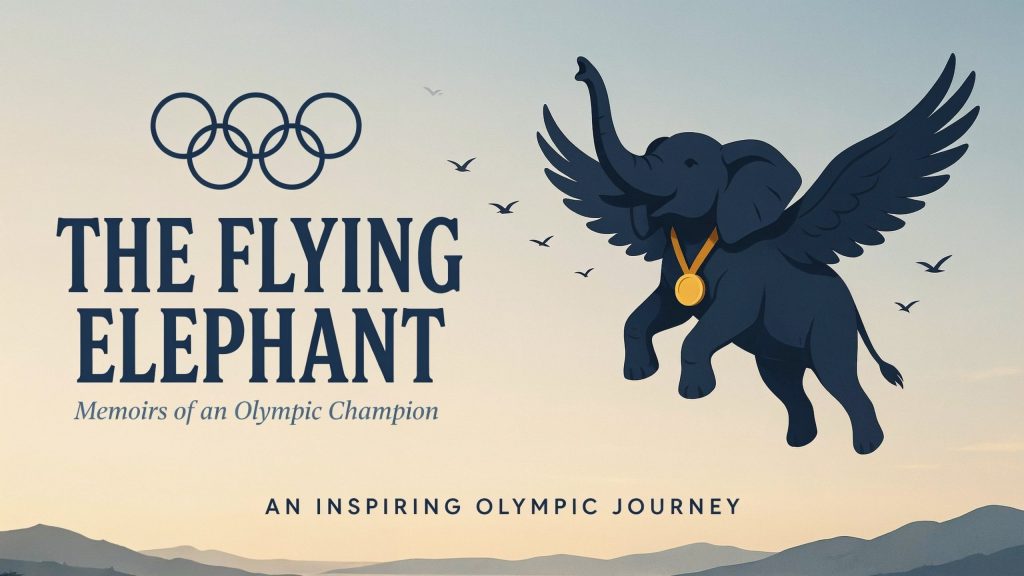
Why the Title “The Flying Elephant” Is Important
The title is symbolic rather than literal.
It represents achieving something that appears impossible through continuous effort, discipline, and determination. According to discussions around the book, the phrase reflects the transformation of ordinary ability into extraordinary achievement through years of dedicated training.
Key Themes Found Throughout the Memoir
Several topics appear consistently throughout the book.
| Theme | Explanation |
|---|---|
| Discipline | Daily practice and structured routines build success. |
| Teamwork | Volleyball depends on cooperation between players. |
| Leadership | Good leaders support both performance and personal growth. |
| Mental Strength | Athletes must stay focused during high pressure situations. |
| Continuous Learning | Improvement never stops, even after major achievements. |
The Olympic Journey Explained
The Olympic journey described in the memoir is not limited to competition days.
It begins with years of preparation, physical fitness, technical improvement, and mental development. The memoir explains that Olympic success comes from long term planning rather than short periods of intense effort.
Readers also learn about the importance of consistency, discipline, and adapting to difficult situations throughout an athletic career.
Training Methods Discussed in the Book
The memoir describes several areas of athlete development.
Physical Conditioning
Strength, endurance, flexibility, and recovery all played important roles in preparing for international competition.
Technical Skills
Daily repetition helped athletes improve serving, passing, blocking, and attacking skills.
Tactical Preparation
Players studied game strategies and learned how to respond to different opponents during matches.
Mental Preparation
Maintaining confidence, staying calm, and making quick decisions were essential parts of elite competition.
Teamwork in Olympic Volleyball
Volleyball depends heavily on coordination between teammates.
The memoir explains that individual talent alone is not enough. Successful teams communicate well, trust one another, and follow shared strategies developed during training.
The book also highlights the importance of coaches in building strong team culture and improving player performance.
Leadership Lessons
Leadership appears throughout the memoir in different forms.
Important leadership principles include:
- Setting a positive example
- Accepting responsibility
- Supporting teammates
- Remaining disciplined during difficult situations
- Continuing to learn throughout a career
These principles apply both inside and outside competitive sports.
Leadership, responsibility, and professional ethics are valuable in both sports and legal careers. Readers who want to learn how these qualities apply in the legal field can also read our article on Justin Billingsley Greene Law, which provides information about legal leadership, professional experience, and client focused legal services.
Historical Importance of the Memoir
The book also serves as a historical record of international volleyball during the Soviet period.
It documents training systems, international tournaments, coaching methods, and the environment experienced by elite athletes during that era. Because the author participated directly in these events, the memoir provides valuable historical information alongside personal experiences.
Sports history is preserved through books and personal memories, while communities also protect their natural heritage in different ways. If you are interested in historical records beyond athletics, you can also explore our guide on Ohio Champion Trees Delaware County USD Lewis Center, which explains how remarkable trees are identified and preserved for future generations.
Why Readers Continue to Read This Memoir
Many sports biographies focus mainly on famous victories.
This memoir is different because it also explains the work behind those achievements. Readers interested in sports history, coaching, athlete development, and Olympic competition can better understand what elite performance requires through firsthand experience.

Who Should Read The Flying Elephant Memoirs of an Olympic Champion?
The book is suitable for many types of readers.
| Reader | Benefit |
|---|---|
| Volleyball players | Learn about elite level preparation |
| Coaches | Understand leadership and athlete development |
| Sports students | Study Olympic training methods |
| Olympic fans | Explore behind the scenes experiences |
| Sports history readers | Learn about international volleyball during the Soviet era |
What Makes This Memoir Different
Unlike many sports autobiographies, this memoir combines personal experiences with historical context and practical knowledge about elite sports.
It explains how discipline, structured coaching, teamwork, and continuous improvement contribute to long term athletic success. The book also preserves valuable information about one of the strongest periods in international volleyball history while providing readers with an authentic account from an Olympic champion.
